Best Floor Waxing Methods for Different Floor Types
To achieve a durable, polished finish, local contractors can recommend the best floor waxing methods tailored to your specific floor type.
Many property owners in the area are discovering that choosing the right floor waxing methods can significantly enhance the appearance and longevity of their floors. Whether maintaining the warm glow of hardwood, protecting the smooth surface of vinyl, or restoring the shine of tile, understanding the best approaches for each floor type is essential for achieving professional results. This knowledge not only helps in preserving the value of a property but also ensures that floors remain safe and attractive for everyday use. Exploring these techniques can empower property owners to make informed decisions and recognize when expert assistance from local contractors might be beneficial.
For those interested in maintaining or restoring their floors, knowing the differences in waxing methods for various floor types is a practical step toward better care. Local service providers specializing in floor waxing can offer tailored solutions that suit specific materials and conditions, helping to extend the life of each surface. By learning about the best practices for different floors, property owners can better evaluate when professional help is needed and ensure their floors receive the appropriate treatment for lasting beauty and durability. Keep reading to discover more about the techniques that can keep floors looking their best.
- homeowners seeking to preserve hardwood floors often rely on local contractors who use tailored waxing techniques suited for wood's unique needs. - commercial property managers needing to maintain tile or vinyl flooring can find local pros experienced in applying appropriate wax methods for these surfaces. - those with concrete floors looking to improve durability and appearance may turn to local service providers skilled in specialized wax treatments for concrete. - residents with laminate flooring considering protective finishes can connect with local contractors knowledgeable about safe and effective waxing approaches. - property owners aiming to restore aged or worn floors often seek local pros who understand the best wax application methods for different floor types to enhance longevity.
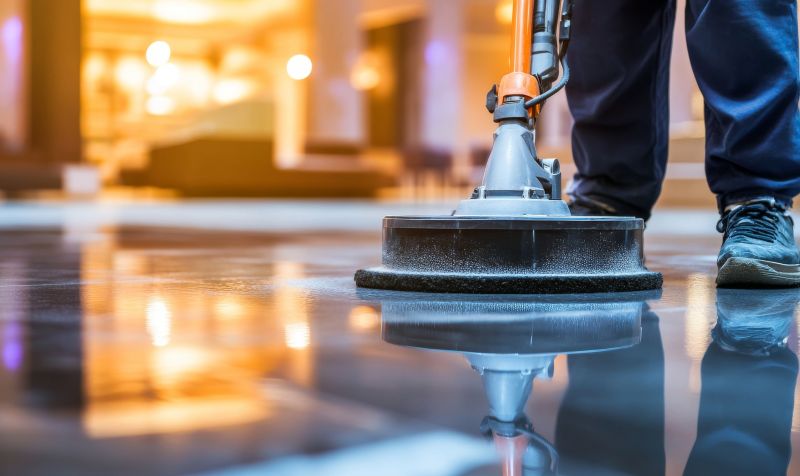
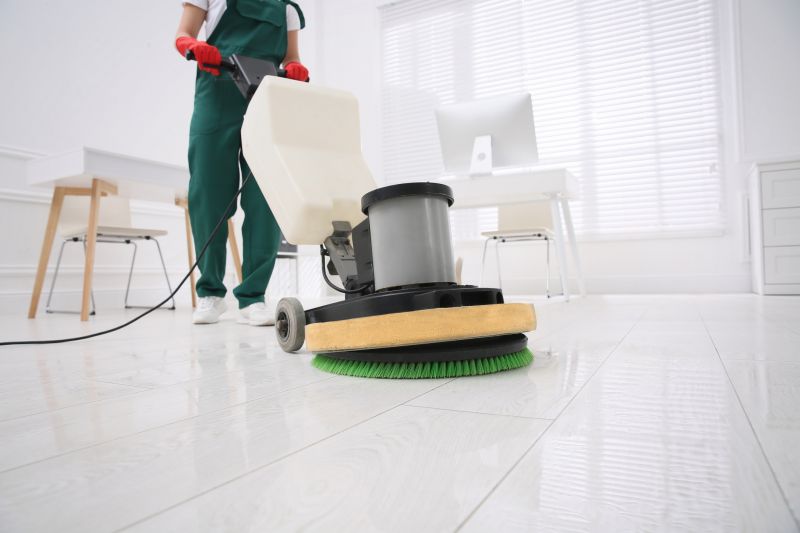
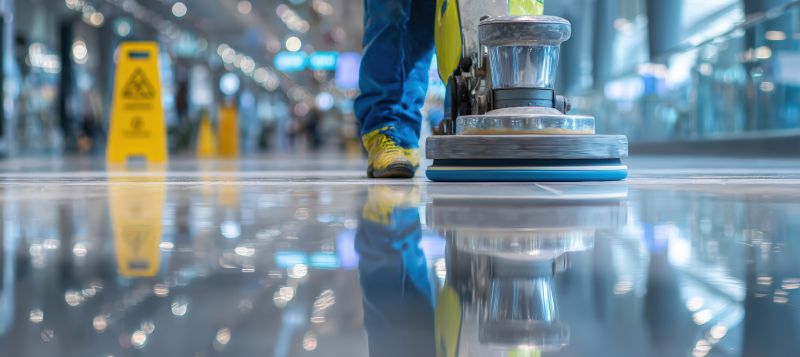
When searching for information about the best floor waxing methods for different floor types, homeowners often aim to find effective ways to maintain and enhance the appearance of their floors. This topic is closely related to projects focused on restoring shine, protecting surfaces from wear, or preparing a space for regular use. Many property owners are interested in understanding which waxing techniques work best for specific materials, whether they are dealing with hardwood, tile, vinyl, or concrete floors. The goal is usually to achieve a durable, attractive finish that extends the lifespan of the flooring while minimizing the risk of damage caused by improper application.
Problems associated with floor waxing often stem from using unsuitable products or techniques on certain floor types. For example, applying a wax designed for hardwood floors on tile surfaces can lead to uneven finishes or buildup that’s difficult to remove. Conversely, neglecting proper waxing methods can result in floors that appear dull or become more prone to scratches and stains. Property owners may also plan to refresh their flooring after renovations or to improve the overall look of commercial and residential spaces. These projects require tailored approaches that match the specific characteristics of each floor type, making it important to work with experienced service providers who understand the nuances of different materials.
The types of properties where these considerations come into play vary widely, including homes, retail stores, offices, and hospitality venues. Residential properties often feature hardwood, laminate, or tile flooring that benefits from specific waxing techniques to maintain their appearance. Commercial spaces, on the other hand, might have vinyl or concrete floors that require different maintenance routines. The location and usage of the property influence the choice of waxing method, as high-traffic areas demand more durable finishes. Understanding the unique needs of each property type helps homeowners and business owners select the right professional services to achieve optimal results.
Connecting with local service providers who specialize in floor waxing can simplify the process of selecting the appropriate methods for different floor types. These professionals bring expertise in assessing the current condition of floors and recommending suitable waxing techniques and products. They can also perform the work efficiently, ensuring that the chosen method enhances the floor’s appearance and longevity. For property owners seeking to preserve their investment and keep their floors looking their best, partnering with experienced local contractors offers a practical way to address the specific requirements of each flooring material and property type.
Floor stripping and refinishing projects - these require knowledge of different floor surfaces and proper preparation, skills also essential for applying the best floor waxing methods for different floor types.
Marble and stone polishing services - involve techniques to enhance surface shine and durability, similar to the polishing steps used in various floor waxing methods.
Hardwood floor restoration - includes sanding and sealing processes that align with selecting appropriate wax finishes for different wood floor types.
Tile and grout cleaning - demands attention to surface details and sealing, paralleling the planning needed for effective floor waxing across various materials.
Concrete sealing and polishing - involves surface preparation and protective coatings, skills applicable when choosing and applying wax finishes on concrete floors.
Furniture and surface finishing - encompasses applying protective coatings and polish, sharing techniques with floor waxing for different types of flooring materials.
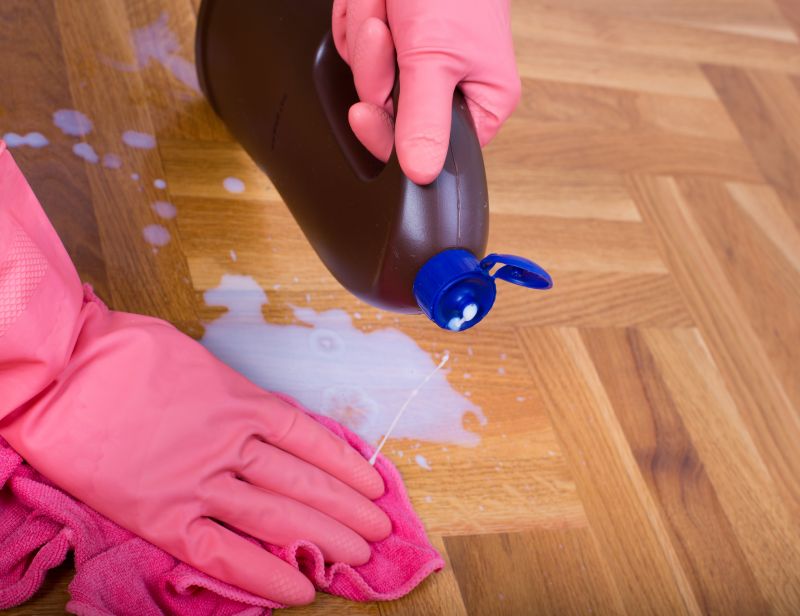
When comparing local contractors for floor waxing services, it is important to consider their experience with similar projects, particularly those involving different types of flooring. A seasoned service provider will have a clear understanding of the best floor waxing methods for different floor types, such as hardwood, vinyl, or tile, ensuring the chosen approach is appropriate and effective. Homeowners should inquire about the contractor’s past work on comparable surfaces to gauge their familiarity and skill level, which can contribute to a more successful outcome.
Clear written expectations are essential when evaluating potential service providers. Homeowners should seek detailed descriptions of the waxing process, including the types of products used, preparation steps, and maintenance recommendations. This transparency helps ensure that both parties share an understanding of what the service will entail and can prevent misunderstandings. Reputable local contractors typically provide comprehensive information, making it easier to assess whether their approach aligns with the homeowner’s needs for different floor types.
Good communication and reputable references are key factors when selecting a flooring service provider. Reliable local pros are often willing to share references or testimonials from previous clients, especially those who had similar flooring projects. This feedback can provide insights into the contractor’s professionalism, quality of work, and ability to meet expectations. Effective communication throughout the process also indicates a contractor’s commitment to understanding the homeowner’s specific requirements and answering questions about best floor waxing methods for different floor types, leading to a more confident decision.
Property owners often search for best floor waxing methods for different floor types when they are planning practical projects around their homes and businesses. Local pros provide Floor Waxing services for everyday jobs and straightforward project options.
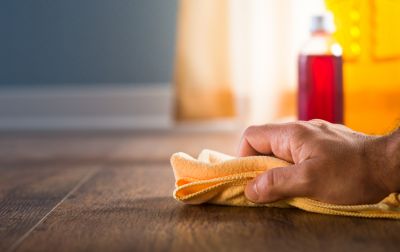
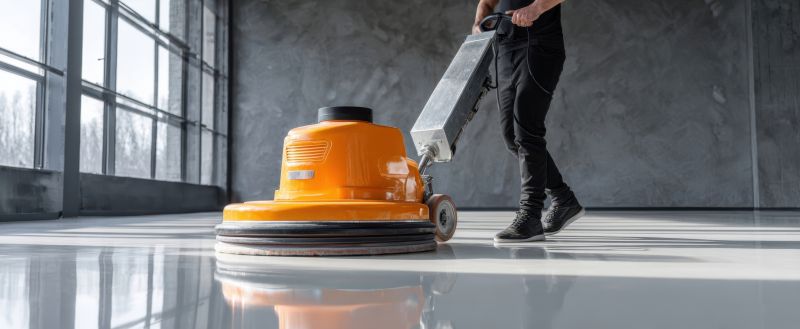
Many property owners in the area seek out information on the best floor waxing methods for different floor types to maintain their home's appearance and longevity. Whether dealing with hardwood, tile, or vinyl flooring, selecting the right waxing technique is essential for achieving a smooth, polished look without causing damage. Homeowners often explore DIY options for small touch-ups but recognize that professional service providers have the expertise and proper equipment to handle more extensive projects effectively, ensuring floors are properly protected and restored.
Local contractors specializing in floor waxing can help address specific needs based on the type of flooring in a property. For example, hardwood floors may require gentle buffing and specialized wax formulations, while tile and vinyl floors might need different cleaning and sealing approaches. Property owners interested in preserving their floors' beauty and durability often consider connecting with experienced service providers who understand the nuances of various floor types and can recommend the most suitable waxing methods.
What are the best floor waxing methods for hardwood floors? Local contractors often recommend using a quality wax specifically designed for hardwood, applying it with a soft cloth or buffer, and ensuring the surface is thoroughly cleaned beforehand to achieve a smooth, durable finish.
How should I approach waxing tile floors to avoid damage? For tile floors, service providers typically suggest using a wax formulated for non-porous surfaces, applying it evenly with a mop or applicator, and avoiding excessive buildup to maintain the tile’s appearance and prevent slipping.
What techniques work best for waxing concrete floors? Professionals usually advise using a penetrating or acrylic wax suitable for concrete, applying in thin coats with a mop or roller, and allowing proper drying time to enhance durability and shine.
Are there specific waxing methods for vinyl or linoleum floors? Yes, local pros often recommend using a light, non-abrasive wax designed for vinyl or linoleum, applying it with a soft cloth or sponge, and buffing gently to preserve the floor’s flexibility and prevent residue buildup.
Can different floor types be waxed using the same method? No, each floor type generally requires tailored waxing techniques and products to ensure proper adhesion, finish, and protection, which local service providers can determine based on the specific floor surface.
Understanding floor types - Identifying the specific flooring material helps property owners choose the most effective waxing methods with the help of local contractors.
Choosing appropriate wax products - Selecting the right wax for wood, tile, or vinyl floors ensures a durable and attractive finish, with guidance from local service providers.
Proper application techniques - Learning correct waxing techniques for different floor surfaces can be supported by local pros to achieve a smooth, even coating.
Regular maintenance tips - Implementing routine care based on floor type helps maintain the waxed surface, with advice from local contractors to extend the wax’s lifespan.
If you are thinking about best floor waxing methods for different floor types for a property, this guide is meant to help you understand this topic, the typical project types, and how different options might fit your plans.
When you are ready, you can use the quote form on this page to share a few details about your project. From there, local pros can review the basics and follow up with options that match what you have in mind.